How Moisture Absorbers Work ?
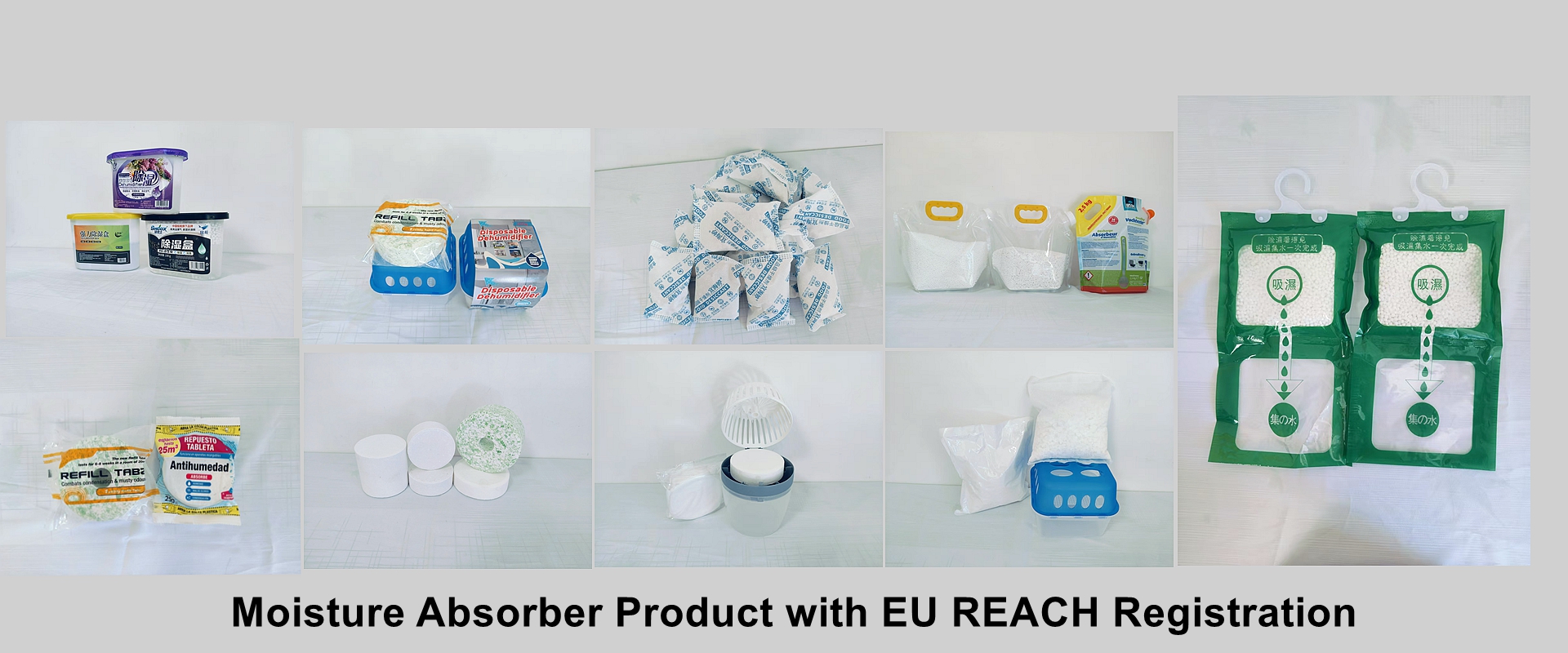
How Moisture Absorbers Function
Moisture absorbers play a crucial role in maintaining an appropriate level of humidity in various environments. Understanding how they work is essential for effectively utilizing them.
1. The Components of Moisture Absorbers
Moisture absorbers typically consist of materials that have a high affinity for water molecules. These materials can include silica gel, calcium chloride, or other specialized substances. The choice of the absorbing material depends on the specific application and the level of moisture to be absorbed.
2. Absorption Principles
The absorption process occurs based on the physical or chemical properties of the absorbing material. For example, silica gel works by adsorbing water molecules onto its surface, while calcium chloride undergoes a chemical reaction to bind water.
3. Role of Moisture Absorbers in Different Settings
They are widely used in various domains. In households, they can prevent mold growth and protect items from moisture damage. In industrial settings, they ensure the quality and performance of sensitive equipment and products.
4. Analyzing the Effectiveness of Moisture Absorbers
The effectiveness of a moisture absorber depends on factors such as the size of the space, the initial humidity level, and the capacity of the absorber. Regular monitoring and replacement are often necessary to maintain optimal performance.
5. Comparing Different Types of Moisture Absorbers
There are various types available in the market, each with its own advantages and limitations. Understanding these differences helps in making the right choice for specific needs.
6. Tips for Using Moisture Absorbers
Proper placement, considering air circulation and areas with high moisture levels, can enhance their efficiency. Additionally, following the manufacturer's instructions for usage and maintenance is crucial.
In conclusion, moisture absorbers are valuable tools for controlling humidity, but their effectiveness depends on a variety of factors and proper usage.