The Best Things to Absorb Moisture
**What is the Best Thing to Absorb Moisture?**
Moisture absorption is a common concern in various settings, from household maintenance to industrial applications. Excess moisture can lead to mold growth, damage to materials, and an uncomfortable living environment. Therefore, finding the best moisture absorber is essential for maintaining a dry and healthy space. In this article, we will explore some of the most effective materials and methods for absorbing moisture.
### 1. **Silica Gel**
Silica gel is one of the most popular and effective moisture absorbers. It is a granular, porous form of silicon dioxide that can absorb and hold a significant amount of water vapor. Silica gel is commonly found in small packets placed in packaging for electronics, shoes, and other products to keep them dry. It is reusable, as it can be dried out by heating and used again.
Calcium chloride is another highly effective moisture absorber. It is a salt compound that can attract and retain water molecules from the air. Calcium chloride is often used in industrial settings and is available in various forms, such as pellets and flakes. It is particularly useful in damp basements, closets, and other areas prone to high humidity.
Activated charcoal, also known as activated carbon, is a natural moisture absorber. It has a large surface area with tiny pores that can trap moisture and odors. Activated charcoal is often used in air purifiers and dehumidifiers. It is also a popular choice for absorbing moisture in small spaces like refrigerators and bathrooms.
Clay desiccants, such as bentonite clay, are natural minerals that can absorb moisture effectively. They are often used in cat litter and as a moisture absorber in packaging. Clay desiccants are non-toxic and environmentally friendly, making them a safe choice for household use.
### 5. **Rock Salt**
Rock salt, or halite, is a natural mineral that can absorb moisture from the air. It is often used in homemade dehumidifiers, where a container of rock salt is placed in a damp area to draw out moisture. While not as effective as silica gel or calcium chloride, rock salt is a cheap and readily available option for small-scale moisture control.
### 6. **DampRid**
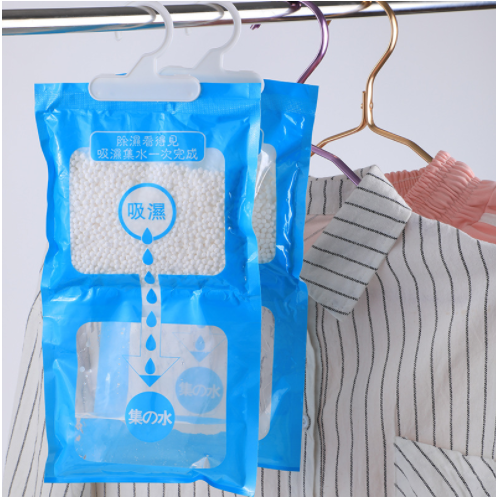
DampRid is a commercial moisture absorber that uses calcium chloride to attract and trap moisture. It is available in various forms, including hanging bags and containers, and is commonly used in closets, bathrooms, and basements. DampRid is easy to use and provides long-lasting moisture control.
### 7. **Rice**
Rice is a natural desiccant that can absorb moisture effectively. It is often used to dry out wet electronics, such as smartphones, by placing the device in a container of uncooked rice. While not as powerful as other moisture absorbers, rice is a readily available and inexpensive option for emergency situations.
### Conclusion
The best moisture absorber depends on the specific needs and environment. Silica gel and calcium chloride are highly effective for industrial and household use, while activated charcoal and clay desiccants offer natural and eco-friendly options. Rock salt and rice are affordable alternatives for small-scale moisture control. By choosing the right moisture absorber, you can maintain a dry and comfortable environment, protect your belongings, and prevent mold and mildew growth.